Focus Friday – DOOM PILES

🌟 #FocusFridayWithMeg 🌟

Hey everyone! Today, let’s talk about something many of us struggle with – DOOM PILES. 😬🗑️

👉 What are Doom Piles? Doom piles are those seemingly random heaps of items that accumulate in our spaces – a mix of papers, clothes, and miscellaneous objects that don’t have a proper home. They’re called “doom” piles because they often evoke a sense of impending dread when we think about tackling them. 😱🧺

👉 Why Do They Happen? For those of us with ADHD or ADHD-like traits, doom piles can be a common issue. Here’s why:

  • Out of Sight, Out of Mind: If we can’t see it, we forget it exists. So we keep things visible, leading to clutter. 🧩📝
  • Difficulty with Prioritization: It can be hard to decide what to do with items, so they end up in a pile. 🤔🤷‍♀️
  • Overwhelm: The thought of organizing can be overwhelming, so we avoid it until it’s unavoidable. 😵‍💫

👉 How to Work Through Them:

  1. Start Small: Don’t try to tackle everything at once. Pick a small pile or section to start with. 🥤📝
  2. Set a Timer: Work for 10-15 minutes at a time to prevent burnout. ⏰🧹
  3. Categorize: Sort items into categories – keep, toss, and donate. Having clear categories helps reduce decision fatigue. 📦🚮🎁
  4. Create Homes for Items: Ensure every item has a designated spot. If it doesn’t, consider if it’s necessary to keep. 🏠🔑
  5. Routine Maintenance: Spend a few minutes each day tidying up to prevent new piles from forming. 🕒🧺
  6. Seek Support: Sometimes an accountability partner or professional help can make a big difference. 🤝🧑‍🤝‍🧑

Remember, it’s about progress, not perfection. Celebrate the small wins and keep going! 💪✨

Wanting to take a step in your focus journey but not sure where to start? Join me for a complimentary Focus Call, and let’s chat!

Focus Friday – Pomodoro Technique

Struggling to stay on task? Distractibility and ADHD can make it tough to focus, but there’s a simple method that can help: the Pomodoro Technique! 🍅✨

👉 What is the Pomodoro Technique? Developed by Francesco Cirillo in the late 1980s, this time management method involves breaking your work into intervals, traditionally 25 minutes long, separated by short breaks. Each interval is called a “Pomodoro,” named after the tomato-shaped timer Cirillo used in college. 🍅

👉 How It Works:

  1. Choose a Task: Select the task you want to work on.
  2. Set a Timer: Set your timer for 25 minutes.
  3. Work: Focus solely on the task until the timer rings.
  4. Take a Short Break: Take a 5-minute break to recharge.
  5. Repeat: After 4 Pomodoros, take a longer break (15-30 minutes).

👉 Why It Helps with Distractibility and ADHD:

  1. Structured Focus: The fixed intervals create a sense of urgency, reducing the tendency to procrastinate.
  2. Manageable Chunks: Breaking tasks into small, manageable periods can make daunting projects seem more achievable.
  3. Regular Breaks: Frequent breaks help prevent burnout and maintain high levels of concentration.
  4. Accountability: Tracking your progress in Pomodoros can give you a tangible sense of accomplishment.

Give the Pomodoro Technique a try and see how it transforms your productivity! 🌟✨

🔗 Tip: Use a timer app on your phone or a physical timer to get started. There are many Pomodoro apps available that can help you stick to your intervals!

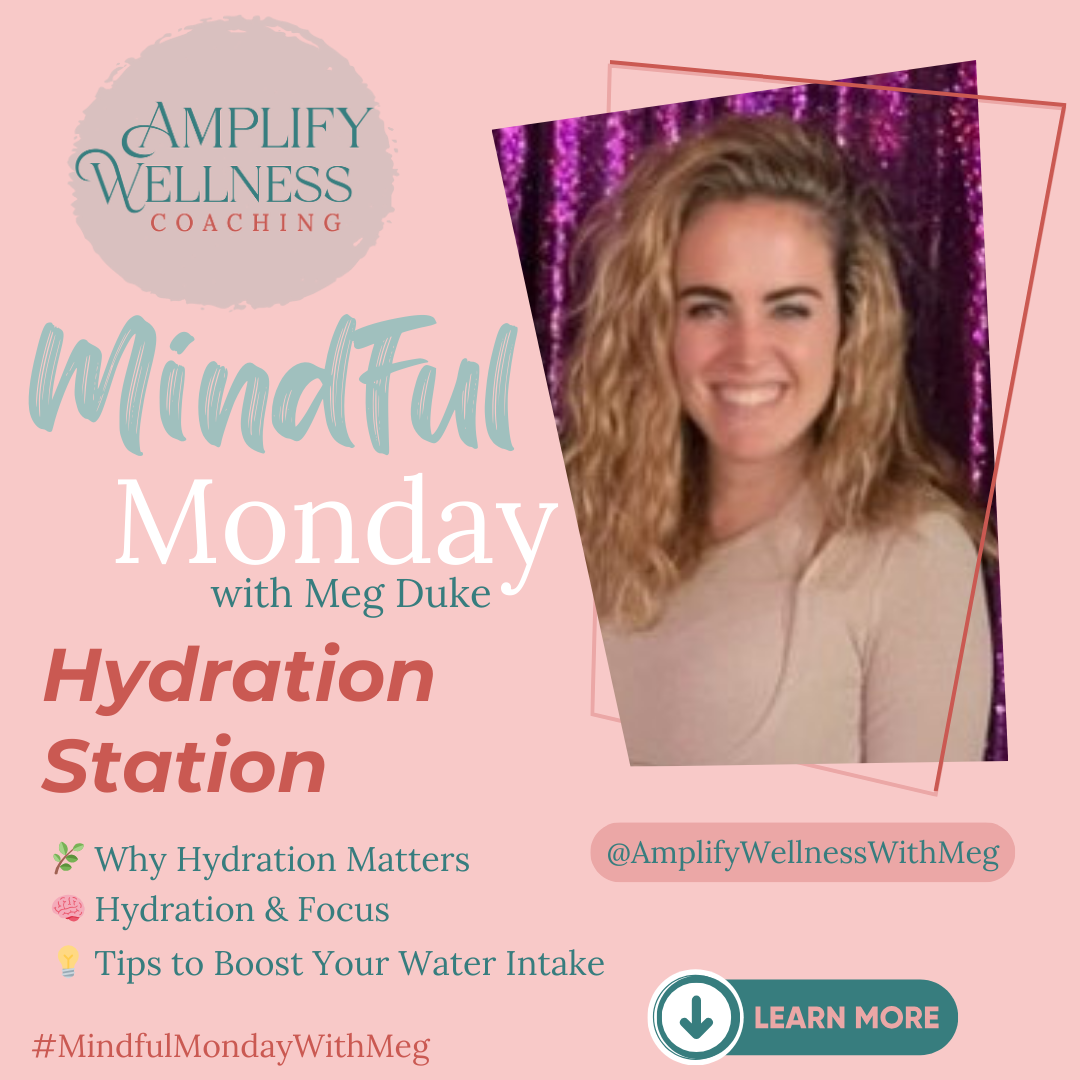
Mindful Monday – Hydration Station

Happy #MindfulMonday, everyone! Today, let’s dive into the incredible benefits of staying hydrated and how it can transform our well-being and focus. 💧✨

🌿 Why Hydration Matters: Our bodies are about 60% water, making hydration crucial for nearly every bodily function. Drinking enough water helps:

  • Boost energy levels
  • Improve focus and mental clarity
  • Aid digestion
  • Maintain healthy skin
  • Support overall bodily functions

🧠 Hydration & Focus: Staying hydrated is especially important for our brain. Even mild dehydration can lead to difficulties with concentration, memory issues, and an overall sense of fatigue. By prioritizing hydration, we can enhance our cognitive function and keep our minds sharp and alert. 🌊🧘‍♀️

💡 Tips to Boost Your Water Intake:

  1. Start Your Day with Water: Make it a habit to drink a glass of water first thing in the morning. Place a glass or bottle of water by your bedside as a reminder.
  2. Infuse Your Water: Add a burst of flavor by infusing your water with fruits, herbs, or a splash of lemon. This can make drinking water more enjoyable and refreshing.
  3. Carry a Reusable Water Bottle: Keep a reusable water bottle with you throughout the day. Having water readily available makes it easier to stay hydrated.
  4. Set Reminders: Use your phone or an app to set hourly reminders to take a sip. These little nudges can make a big difference.
  5. Incorporate Water-Rich Foods: Foods like cucumbers, oranges, and strawberries have high water content and can contribute to your hydration goals.

Let’s make hydration a mindful practice and watch how it positively impacts our health and focus. Share your hydration habits and tips with us in the comments below! 💬👇

Stay hydrated, stay focused, and have a wonderful week!

Wanting to take a step in your focus journey but not sure where to start? Join me for a complimentary Focus Call, and let’s chat!
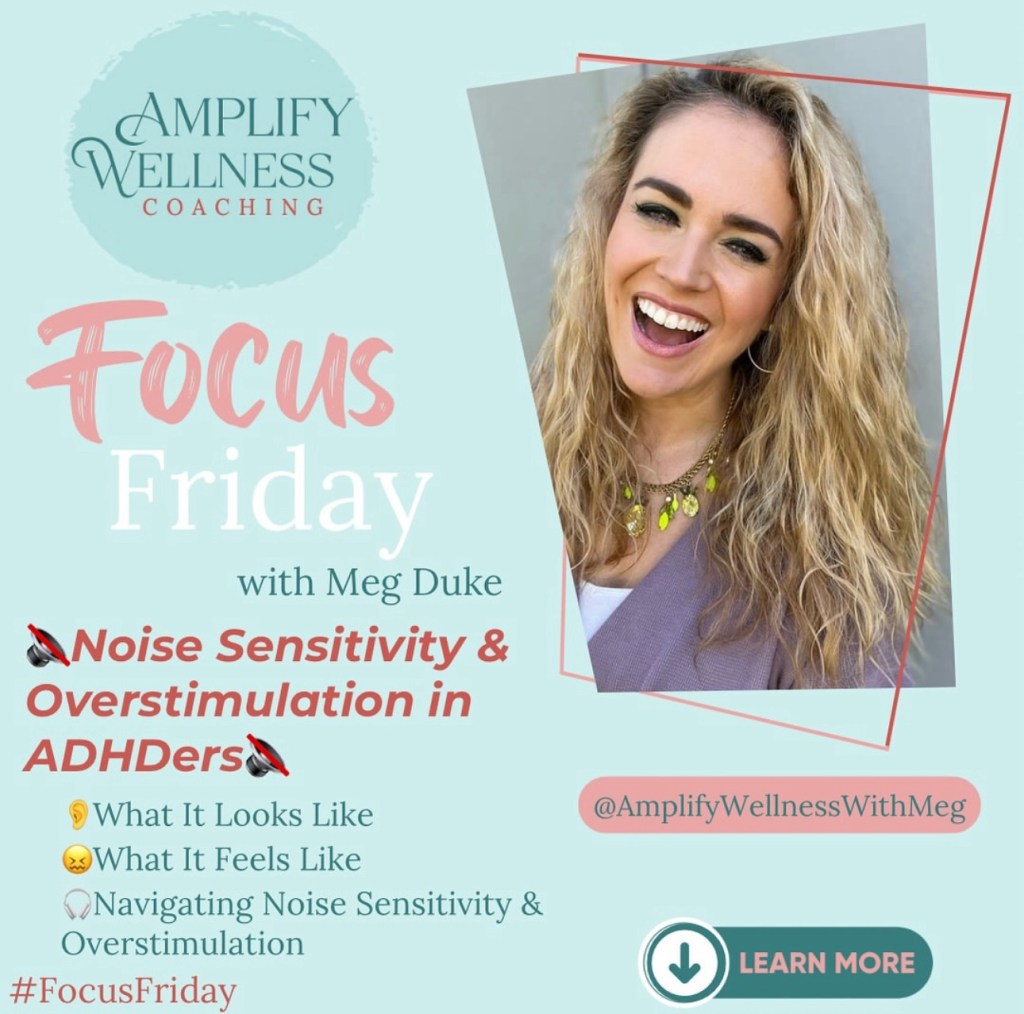
🔇 Focus Friday: Noise Sensitivity & Overstimulation in ADHDers 🔇

Do you ever feel like the world around you is turned up a few notches too loud? For many with ADHD, noise sensitivity and overstimulation can be everyday challenges that impact focus and well-being. Let’s dive in:

👂 What It Looks Like: Noise sensitivity can manifest as an intense reaction to sounds that others might barely notice. From bustling office environments to noisy cafes, everyday settings can feel overwhelming. And of course, hearing “Momma!” over and over again from multiple tiny mouths can really get to me, especially in the car with the radio going and my spouse asking me questions. 

Overstimulation exacerbates this, leaving ADHDers feeling frazzled, exhausted, and struggling to concentrate.

🎧 Navigating Noise Sensitivity & Overstimulation:

1️⃣ Communication is Key: Open up to loved ones and colleagues about your sensitivity to noise and overstimulation. Let them know how it affects you and what support looks like, whether it’s using headphones or finding quieter spaces to work.

2️⃣ Create Quiet Zones: Designate areas in your home or workspace where noise is minimized. This could be a cozy corner with soft lighting or a noise-canceling headset to help you focus without distractions.

3️⃣ Set Boundaries: Don’t hesitate to advocate for yourself. If a situation feels overwhelming, give yourself permission to step away or take breaks as needed. Setting boundaries is essential for managing your well-being.

4️⃣ Practice Self-Care: Incorporate relaxation techniques into your routine to help soothe overstimulation. Whether it’s deep breathing exercises, mindfulness meditation, or taking a walk in nature, prioritize activities that replenish your energy.

5️⃣ Seek Support: Connect with others who understand what you’re going through. Online communities, support groups, or therapy can provide validation, coping strategies, and a sense of belonging.

Remember, your sensitivity to noise and overstimulation is valid, and you deserve understanding and support. By advocating for your needs and implementing coping strategies, you can navigate these challenges with greater ease. 🌟 #ADHD #NoiseSensitivity #Overstimulation #SelfCare #Support

Focus Friday: Why Lists Are Awesome + Why They Aren’t Enough

Let’s talk about the power of lists 📝 Living with ADHD, I’ve learned to rely on them heavily to keep my thoughts organized and my tasks manageable. Lists provide structure, clarity, and a sense of accomplishment as I tick off each item. They’re like a roadmap guiding me through my day.

But here’s the thing: while lists are incredibly helpful, they’re not a magic cure-all for ADHD challenges. They’re a tool, not a complete solution. It’s like having a hammer when you need to build a house – sure, it’s essential, but you also need other tools and materials to get the job done.

That’s where strategies like time-blocking, breaking tasks into smaller steps, and utilizing reminders come into play. It’s about finding what works best for you and creating a holistic approach to managing ADHD.

So, yes, keep making those lists! They’re fantastic for staying on track. But remember, they’re just one piece of the puzzle. Let’s keep exploring and experimenting with different strategies to thrive with ADHD.

Ready to take the next step in your focus journey? Let’s hop on a free 30-minute focus call and get you started on your path!

Focus Friday – Waiting Mode

Let’s talk about something many of us with ADHD experience: the dreaded ‘waiting mode.’ 🕰️ It’s that feeling when you’re caught between tasks, unsure of where to start, and time seems to slip away unnoticed. For me, it’s a coping mechanism for my time blindness, a subtle attempt to avoid the anxiety of being late. But here’s the catch – it often leads to exactly that: being late!

Living in ‘waiting mode’ not only affects our punctuality but also impacts our productivity and relationships. It’s like we’re stuck in a constant battle with time, struggling to keep up. But fear not, fellow ADHD warriors, here are some tips to combat this:

1️⃣ Set clear time limits for tasks: Break down your day into manageable chunks and assign specific times to each task. This helps to create a sense of structure and accountability.

2️⃣ Use timers and reminders: Leverage technology to your advantage! Set alarms or use apps to remind yourself of important deadlines and appointments.

3️⃣ Prioritize tasks: Identify the most crucial tasks for the day and tackle them first. This reduces the likelihood of getting lost in ‘waiting mode’ and ensures you focus on what truly matters.

4️⃣ Practice mindfulness: Take a moment to check in with yourself throughout the day. Mindfulness techniques can help ground you in the present moment and prevent you from getting lost in distractions.

Remember, overcoming ‘waiting mode’ takes practice and patience. Be kind to yourself on this journey, and celebrate your progress, no matter how small. Together, we can navigate the challenges of ADHD and thrive! 💪

Ready to take the first/next step in your focus journey? Click the button below👇 to schedule your FREE Focus Call, and let’s get started!

Focus Friday – Rejection Sensitive Dysphoria

🔍 Focus Friday: Understanding Rejection Sensitive Dysphoria (RSD) 🔍

Have you ever felt like even the smallest criticism or rejection was enough to completely derail your day? You might be experiencing something called Rejection Sensitive Dysphoria (RSD), and you’re not alone. Let’s dive into what it is and how to navigate through it.

🧠 What is RSD? RSD is an intense emotional response to the perception of rejection, criticism, or failure. It’s not just feeling a little down after a setback—it’s an often-overwhelming flood of emotions that can make it hard to function.

🎯 Who does it impact? While commonly associated with ADHD, RSD can affect anyone, regardless of diagnosis. It’s especially prevalent in individuals who already struggle with mood disorders like anxiety or depression.

🚨 Recognizing RSD Recognizing RSD starts with understanding your emotional reactions. Do you often feel a strong need for approval? Do you avoid situations where you might face criticism? These could be signs of RSD at play.

💡 Starting to work through it

Self-awareness: Recognize when you’re experiencing RSD. Labeling your emotions can help you separate them from reality.

Mindfulness: Practice mindfulness techniques to stay present and grounded, reducing the intensity of emotional reactions.

Challenge negative thoughts: Question the validity of your beliefs about rejection. Are they based on facts, or are they distorted by RSD?

Build resilience: Strengthen your self-esteem and coping skills through therapy, self-care, and supportive relationships.

Working through RSD takes time and effort, but it’s possible to become more familiar with your emotions and live a more fulfilling life.

🌟 You’re not alone. Reach out for support if you aren’t sure where to start on your mental wellness journey. Together, we can navigate RSD and thrive! 🌟

Been considering signing up for a #FreeFocusCall? Here’s your sign to jump on in!

Focus Friday – The Rewind Button is My Best Friend

Welcome to another #FocusFriday!

🎬 Ever found yourself rewinding the same scene in a show four times because you kept spacing off during it? 🤦‍♂️ You’re not alone! For many with ADHD, staying focused on a single task can feel like an uphill battle. 🧠💥

💡 Here’s why it happens and some ideas to help navigate through it:

1️⃣ 🔍 The Struggle with Sustained Attention: ADHD often involves challenges with sustained attention. Your mind might wander, even during something you enjoy, like watching a favorite show. It’s frustrating, but it’s not your fault!

2️⃣ 🎯 Hyperfocus vs. Spacing Out: Interestingly, individuals with ADHD can experience both hyperfocus (deep, intense concentration) and zoning out. It’s like our attention has a mind of its own! When it’s hard to focus, our thoughts might drift away without warning.

3️⃣ ✨ Tips to Combat Spacing Out:
– Use External Cues: Try setting reminders or alarms to bring your focus back.
– Chunk Tasks: Break tasks into smaller, more manageable chunks to prevent overwhelm.
– Engage Multiple Senses: Use sensory cues like color-coding or background noise to help anchor your attention.
– Practice Mindfulness: Mindfulness exercises can train your brain to notice when it’s drifting and gently guide it back.

Remember, it’s okay to take breaks and be gentle with yourself. ADHD doesn’t define you; it’s just one part of who you are. 🌟 Keep experimenting with strategies until you find what works best for you! 💪

Mindful Monday – Practicing Non-Judgment

Today, let’s delve into the transformative power of non-judgment in our mindfulness journey. 🧘‍♀️✨

As we navigate the beautiful and #ChaoticAndTwirly moments of life, our minds are constantly buzzing with thoughts, emotions, and sensations. And let’s be real – it’s all too easy to get caught up in a cycle of self-criticism and judgment. But what if we could cultivate a mindset of non-judgment, even amidst the noise?

Imagine this: instead of berating ourselves for every perceived flaw or mistake, we choose to observe our thoughts with compassion and curiosity. We recognize that our thoughts are simply passing clouds in the vast sky of our consciousness – neither good nor bad, just temporary.

So, how do we practice non-judgment in our daily mindfulness practice? Here are a few simple steps:

1. 🌸 Awareness: Start by bringing awareness to your inner dialogue. Notice the moments when you’re tempted to criticize yourself or others. Simply acknowledging these thoughts is the first step towards cultivating a non-judgmental mindset.

2. 💖 Compassion: Treat yourself with the same kindness and understanding you would offer to a dear friend. Remember, we’re all human, flawed and beautifully imperfect. Embrace your humanity with love and compassion.

3. 🌿 Letting Go: Release the need to control or fix every thought that arises in your mind. Instead of getting entangled in a web of judgment, gently let go and redirect your attention back to the present moment.

4. 🙏 Gratitude: Cultivate an attitude of gratitude for the richness of your inner experience. Even the most challenging thoughts can offer valuable insights and lessons if we approach them with an open heart and mind.

By embracing non-judgment in our mindfulness practice, we create space for greater peace, acceptance, and self-awareness. We free ourselves from the shackles of perfectionism and embrace the beauty of our authentic selves, flaws and all.

Let’s make a commitment today to observe our thoughts with kindness, curiosity, and non-judgment. Together, let’s cultivate a mindset of love and acceptance that uplifts and empowers us on our journey towards wholeness. #NonJudgment#MindfulnessJourney

Want to be more intentional in this practice and need a little extra help? Meet me over at Fiverr, and let’s collaborate on your individualized mindfulness tools, including guided meditation and affirmations!

Focus Friday – Task Paralaysis

Welcome to the inaugural #FocusFriday with #AmplifyWellness!

For our first round, let’s discuss how our #ChaoticAndTwirly energy can lead to Task Paralysis!

🧠 Understanding Task Paralysis: For many with ADHD, task paralysis can be an all too familiar hurdle. It’s that feeling when you have a mountain of things to do, but you find yourself unable to start or complete any of them.

💡 Impact on ADHDers: Task paralysis can hit hard, making it challenging to prioritize, focus, and follow through on tasks. It can lead to frustration, self-doubt, and a cycle of procrastination.

🔍 Why Does It Happen? ADHDers often struggle with executive functions like planning, organizing, and regulating emotions—all of which play a role in task paralysis. Distractions, overwhelm, and perfectionism can also fuel this state.

🚀 Overcoming Task Paralysis: Here are just a couple possible strategies to break free!

1️⃣ Break It Down: Divide tasks into smaller, more manageable steps. This makes them less intimidating and easier to tackle one at a time.

2️⃣ Set Clear Goals: Define specific, achievable goals for each task. Having a clear direction helps combat overwhelm and provides motivation.

3️⃣ Create a Routine: Establishing a routine can provide structure and reduce decision fatigue. Consistency can also help in building momentum.

4️⃣ Use Time Blocking: Allocate specific time slots for different tasks on your schedule. This helps in staying focused and accountable.

5️⃣ Practice Self-Compassion: Remember, it’s okay to struggle sometimes. Be kind to yourself and celebrate small victories along the way.

6️⃣ Book your FREE Focus Call with me: We will discuss all these things and more, tailored to your experiences, and let’s get ready to hit the ground running.

💪 Takeaway: Task paralysis is a common challenge for those with ADHD, but it’s not insurmountable. By understanding its triggers and implementing effective strategies, you can regain control and make progress towards your goals. Keep pushing forward—you’ve got this! 🌟

#ADHD#TaskParalysis#OvercomingChallenges#MentalWellness#MentalWellnessCoach