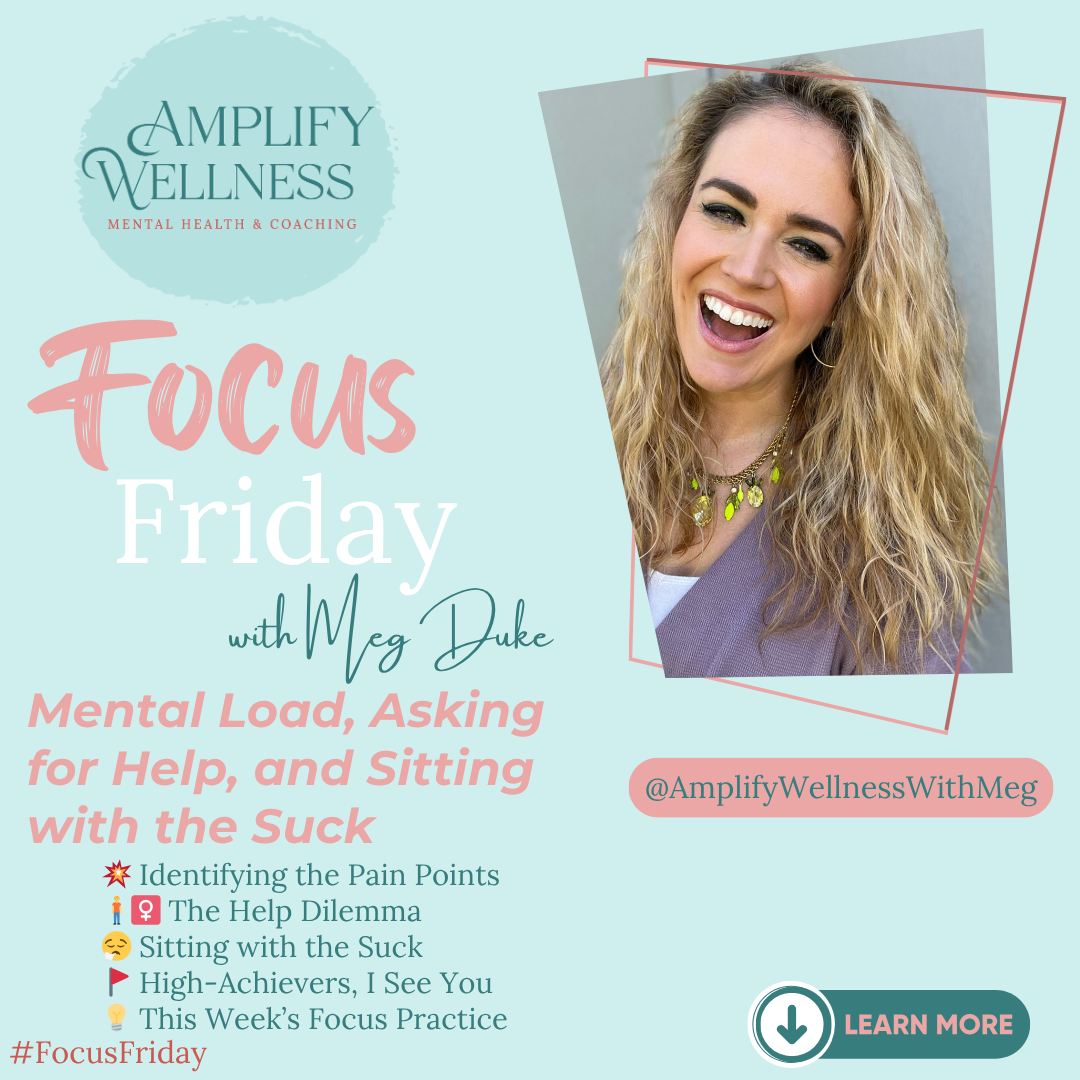
Focus Friday: Mental Load, Asking for Help, and Sitting with the Suck

🧠 Ever feel like your brain has 37 tabs open—and none of them are loading properly?

That, friend, is mental load.

It’s the invisible to-do list we carry around all day. Not just the tasks, but the tracking of those tasks. The emotional bandwidth of remembering, coordinating, managing, predicting, rescheduling, and recovering. Mental load isn’t just doing the thing—it’s being the one who keeps everyone else doing their things, too.

And here’s what makes it extra exhausting: you can’t always point to it. You just feel heavy, irritable, snappy, or stuck. You wonder, “Why am I so tired? I didn’t even do that much.” But your brain? It’s been running a marathon in the background all day.


💥 Identifying the Pain Points

One of the trickiest parts about mental load is how normalized it becomes—especially for women, caregivers, high-achievers, and neurodivergent folks. So this week, I invite you to take a real inventory. Not of what you’ve done—but of what you’ve been holding:

  • What are you anticipating?
  • What have you been emotionally managing for others?
  • What are you overthinking or circling back to?
  • What’s draining you, even if you haven’t physically done anything?

Sometimes stress doesn’t look like panic. It looks like flatness. Like disengagement. Like your brain buffering when someone asks what’s for dinner.


🧍‍♀️ The Help Dilemma

You may know you need help. But asking is its own weight. It makes you feel vulnerable. Or like you’re failing. Or you ask… and nothing happens. And now you’ve added disappointment to your already overflowing plate.

This is real.
It’s not you being dramatic.
It’s you reaching your capacity in a world that expects you to keep going anyway.


😮‍💨 Sitting with the Suck

There are moments when no fix comes fast enough. When delegation isn’t an option. When no one can swoop in. When what you need most is validation, not a solution.

And sometimes the most compassionate thing we can do is sit with ourselves and say:

“This is hard. This isn’t sustainable. And I’m allowed to feel this way.”

Because when we name it, we start to loosen the shame from it.


🚩 High-Achievers, I See You

If you’ve spent your whole life being “the responsible one,” it feels deeply uncomfortable to scale back. To say no. To let balls drop. To rest while others are still buzzing around. But you weren’t meant to live at the edge of burnout. You weren’t built to hold everything alone.

Doing less is not failure—it’s strategy.

The less you carry, the clearer your focus becomes.


💡 This Week’s Focus Practice:

Grab a notebook or voice note. Reflect on these:

  • What’s one small thing I can let go of this week?
  • What’s one sentence I could say that asks for help without overexplaining?
  • What can I forgive myself for not getting to?

And above all: if you’re holding too much—it makes sense that you’re feeling stuck.

You don’t have to hustle your way out of heaviness.
You get to be human.

📥 Bonus Resource!

If you’re looking to build better attention habits, snag my FREE Navigating ADHD Mini Workbook!
It’s full of practical tools and mindset shifts—no overwhelm, no shame. Just real talk and doable steps.

Let’s clear the clutter and make space for what matters. 🌱

The Perinatal Podcast, Ep. 110 – Aging Body Liberation

💫Episode 110 of The Perinatal Podcast is live now!🎧

“Sometimes, I wonder if body autonomy is real.”

On episode 110 of The Perinatal Podcast, Deb Benfield and I discuss curiosity, compassion, and levity in the aging experience. Deb digs deep into the science behind why our bodies are not meant to lose weight, explores the balance of accountability and self-compassion, and she gives me some of the most fantastic visualizations I have never heard and most definitely will carry on with me.

Flap flap flap glide, y’all.

Deb Benfield is a Registered Dietitian/Nutritionist with over 40 years of experience helping people heal their relationship with food, movement, and their bodies. She’s the author of Unapologetic Aging, out in December 2025, and a passionate advocate for body liberation and anti-ageism.

Deb’s work centers vitality—not restriction—and supports women in midlife and beyond in feeling confident, comfortable, and at home in their bodies. She helps her clients break free from diet culture and ageist messaging, so they can live with more clarity, self-trust, and freedom.

Welcome back to The Perinatal Podcast!

Deb Benfield of Aging Body Liberation

Get your FREE Navigating ADHD Mini Workbook Here!
https://lnkd.in/gQ59rnaK

Thank you to today’s show sponsors!
@momandaofficial Promo Code: PERINATAL
@essenther.official Promo Code: AMPLIFYWELLNESSWITHMEG
@needed Promo Code: PERINATALPODCAST
@choosemuse Promo Code: AMPLIFY WELLNESS

Thanks so much for joining me for this episode of The Perinatal Podcast – The Mini Episodes. I’d love for you to write a review of my show on your app, and don’t forget to subscribe so you get a notification when new content is posted. Take a moment to leave a 5-star rating, too!

You can access additional mental wellness content and ad-free episodes by purchasing a monthly subscription at Spotify Podcasts Subscribe⁠ or ⁠Apple Podcasts Subscribe.

Follow me at @AmplifyWellnessWithMeg on Instagram and find Meg Duke LCSW on Facebook. You can also look for The Perinatal Podcast content by searching the hashtag, #ThePerinatalPodcast.

New Episode! The Mini Episodes – Ep. 16

Welcome to the Mini Episodes!

I’ve received so many wonderful comments and stories from you all over the years, and I think it’s time to share them on the show! It’s incredibly validating to hear from others and realize we’re not alone on our mental health journeys. Plus, your insights and tips for making improvements in your lives are truly inspiring.

This week, y’all shared:
“The Headphones Moment”
“The ‘Not Right Now’ Jar”
“The Mid-Task Wandering”

If you’d like to share your story, send your email to me at Meg@MegDukeLCSW.com. And if you’re feeling up for it, you can even send a voice memo!

Welcome back to The Perinatal Podcast – The Mini Episodes!

Get your FREE Navigating ADHD Mini Workbook Here!
https://lnkd.in/gQ59rnaK

Thank you to today’s show sponsors!
@momandaofficial Promo Code: PERINATAL
@essenther.official Promo Code: AMPLIFYWELLNESSWITHMEG
@needed Promo Code: PERINATALPODCAST
@choosemuse Promo Code: AMPLIFY WELLNESS

Thanks so much for joining me for this episode of The Perinatal Podcast – The Mini Episodes. I’d love for you to write a review of my show on your app, and don’t forget to subscribe so you get a notification when new content is posted. Take a moment to leave a 5-star rating, too!

You can access additional mental wellness content and ad-free episodes by purchasing a monthly subscription at ⁠https://podcasters.spotify.com/pod/show/theperinatalpodcast/subscribe⁠ or ⁠https://podcasts.apple.com/us/podcast/the-perinatal-podcast/id1590957531⁠.

Follow me at @AmplifyWellnessWithMeg on Instagram and find Meg Duke LCSW on Facebook. You can also look for The Perinatal Podcast content by searching the hashtag, #ThePerinatalPodcast.

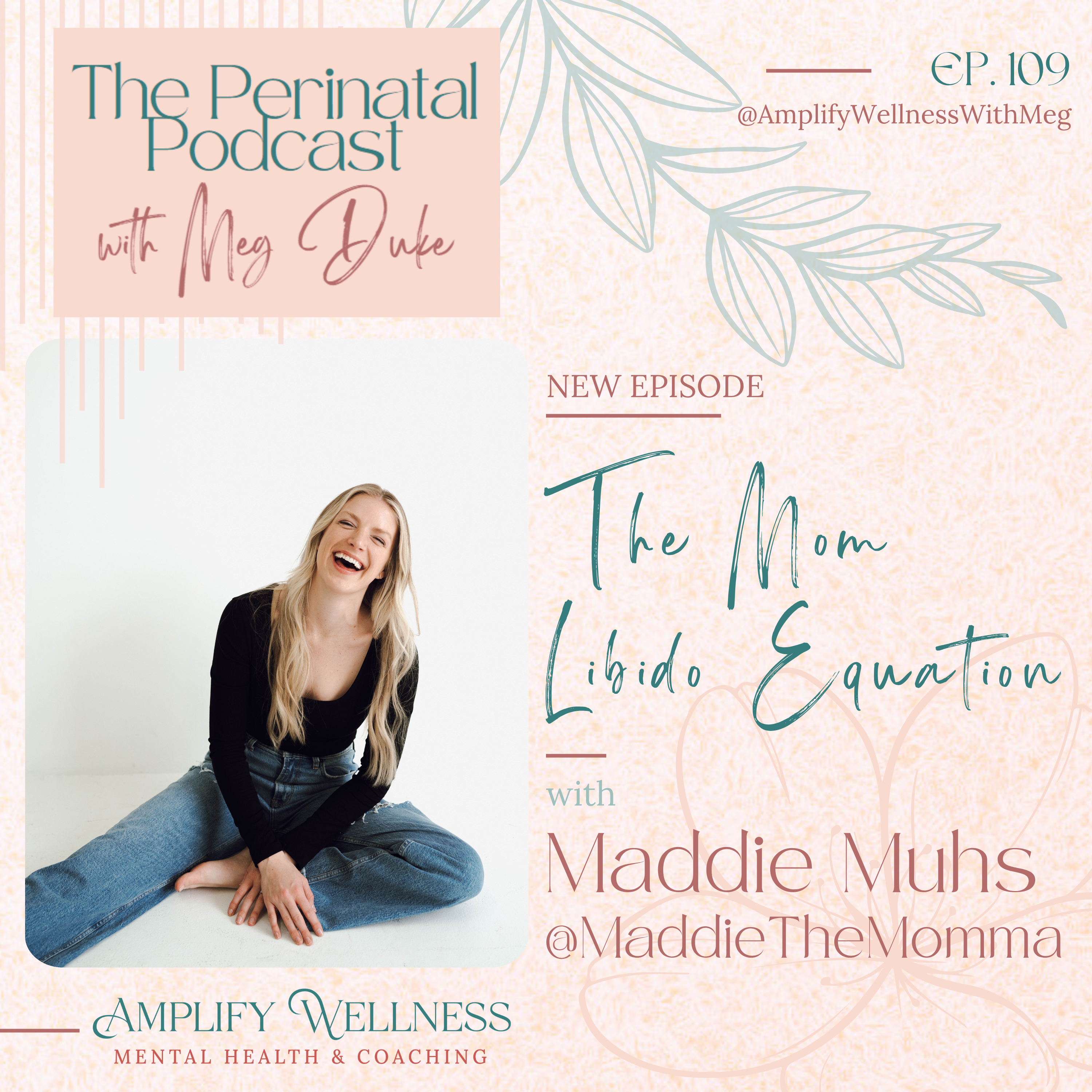
The Perinatal Podcast, Ep. 109 – The Mom Libido Equation

I found Maddie’s page when she made a hilarious and fantastically-observant equation about how likely it is a default caregiver’s libido is gonna be ready to go based on a number of our daily situations.

Former #ThePerinatalPodcast guest, Zach Watson, took Maddie’s equation into former math teacher/engineer world and launched it into the stratosphere.

In this week’s episode, we start here and then go many-which-ways in exploring the default caregiver life, sharing our parenting and life thoughts publicly, and ideas on how to navigate intentional conversation with partners and loved ones so everyone has the best shot at feeling seen, heard, and taken care of.

Maddie Muhs is a mom of two toddlers (and two dogs + a husband), an agency owner, and mom influencer. After spending a decade in corporate sales, she found herself diving into the influencer world after having her second baby.

You can find her on her page constantly (her word, not Meg’s!) oversharing about her life, motherhood, and everything in between. Nothing is off-limits!

Welcome back to The Perinatal Podcast!

Get your FREE Navigating ADHD Mini Workbook Here!
https://lnkd.in/gQ59rnaK

Thank you to today’s show sponsors!
@momandaofficial Promo Code: PERINATAL
@essenther.official Promo Code: AMPLIFYWELLNESSWITHMEG
@needed Promo Code: PERINATALPODCAST
@choosemuse Promo Code: AMPLIFY WELLNESS

Thanks so much for joining me for this episode of The Perinatal Podcast – The Mini Episodes. I’d love for you to write a review of my show on your app, and don’t forget to subscribe so you get a notification when new content is posted. Take a moment to leave a 5-star rating, too!

You can access additional mental wellness content and ad-free episodes by purchasing a monthly subscription at Spotify Podcasts Subscribe⁠ or ⁠Apple Podcasts Subscribe.

Follow me at @AmplifyWellnessWithMeg on Instagram and find Meg Duke LCSW on Facebook. You can also look for The Perinatal Podcast content by searching the hashtag, #ThePerinatalPodcast.

Focus Friday: What Turning 40 Taught Me About Focus

🎂 Today I turn 40. On a Thursday, so you’re getting #FocusFriday a day early.

And don’t worry—this isn’t going to be a list of 40 things I’ve learned or a lengthy look back (although, let’s be real, I could write that post). Instead, I want to use this milestone to talk about what growing older—and hopefully, growing wiser—has taught me about focus.

Turning 40 feels big. Not because I’m worried about getting older (though yes, sometimes my knees make more noise than I do), but because milestones offer a rare chance to zoom out. To reflect. To say: Okay, what’s working? What isn’t? Where is my energy actually going—and is that where I want it to be?

I talk a lot about focus. It’s a throughline in my life, my work, my conversations with clients. But the truth is, focus isn’t something that just arrives with age or experience. You don’t turn 40 and suddenly become a monk with laser attention.

In fact, sometimes it gets harder. More responsibilities. More distractions. More expectations to juggle. More opportunities to feel like you’re behind, or broken, or just not “together” in the way the world says you should be by now.

But here’s what I have learned in 40 years—and what I want to share with you today.


🧠 Focus Isn’t About Trying Harder—It’s About Trying Differently

For so many of us with ADHD or other forms of neurodivergence, we’ve been taught to see our brains as a problem to solve. That we just need the right planner, the right schedule, the right bullet journal, the right color-coded calendar…

But what if focus isn’t something we brute-force into being?

What if it’s something we build gently, moment by moment?

What if it starts with self-trust, not self-pressure?


✨ 7 Focus Truths I’ve Learned in 40 Years

1. Your brain isn’t broken.
It’s responding to a world that wasn’t built for your wiring. You’re not lazy. You’re not unmotivated. You’re often overwhelmed, overstimulated, and trying to do a lot with very little support.

2. Focus is a loop, not a finish line.
You’ll fall off track. You’ll start again. You’ll get distracted. You’ll return. That doesn’t mean you’re failing—it means you’re human.

3. The loudest thing isn’t always the most important.
Urgency doesn’t equal value. Learning to pause and ask “What really matters right now?” is one of the most powerful focus tools there is.

4. Clarity thrives in calm.
If you’re trying to focus in chaos (literal or mental), your brain is already in defense mode. Start with softening your space, body, or expectations.

5. Productivity doesn’t prove your worth.
You don’t have to earn rest. You don’t need to justify stillness. Rest fuels focus. It’s not optional—it’s essential.

6. You can’t pour from an empty brain.
Mental fatigue is real. If your brain feels foggy, it’s not a sign to push harder—it’s a sign to check in with your needs: water, food, sunlight, silence, novelty, connection, movement.

7. Focus blooms when you let yourself feel safe.
Safe to fail. Safe to try again. Safe to do it differently. Safe to be honest about what’s working—and what isn’t.


🎯 What Turning 40 Helped Me See Clearly

I used to feel like I had to do everything. I’d say yes out of fear I’d be left behind. I’d over-function to feel worthy. I’d achieve as a way of focusing—because chaos felt too scary to slow down and face.

But in this season of life, I’m learning something quieter and more grounded:

You don’t need to fix your brain. You need to support it.

With compassion. With curiosity. With actual systems that work for you, not against you.


💛 So, Here’s Your Focus Friday Invitation

Whether you’re turning 40 or 24 or 67, whether you’re navigating ADHD, parenting, big career shifts, or just feeling done with the noise—this is your permission to refocus.

Not on the endless to-do list.

Not on how behind you feel.

But on what feels aligned.

On the tiny daily choices that bring you back to yourself.


🎁 P.S. Grab My Free ADHD Workbook

Need a gentle nudge in the right direction?
Download my free Navigating ADHD Mini Workbook—it’s full of doable exercises to help you cut through the noise, understand your patterns, and build momentum that sticks.

💡 No shame. No pressure. Just a starting point that feels good.

Here’s to focus, fun, and finally trusting your way of being in the world.
From one chaotic and twirly 40-year-old to you—cheers. 🥂

New Episode! The Mini Episodes – Ep. 15

Welcome to the Mini Episodes!

I’ve received so many wonderful comments and stories from you all over the years, and I think it’s time to share them on the show! It’s incredibly validating to hear from others and realize we’re not alone on our mental health journeys. Plus, your insights and tips for making improvements in your lives are truly inspiring.

If you’d like to share your story, send your email to me at Meg@MegDukeLCSW.com. And if you’re feeling up for it, you can even send a voice memo!

Welcome back to The Perinatal Podcast – The Mini Episodes!

Get your FREE Navigating ADHD Mini Workbook Here!
https://lnkd.in/gQ59rnaK

Thank you to today’s show sponsors!
@momandaofficial Promo Code: PERINATAL
@essenther.official Promo Code: AMPLIFYWELLNESSWITHMEG
@needed Promo Code: PERINATALPODCAST
@choosemuse Promo Code: AMPLIFY WELLNESS

Thanks so much for joining me for this episode of The Perinatal Podcast – The Mini Episodes. I’d love for you to write a review of my show on your app, and don’t forget to subscribe so you get a notification when new content is posted. Take a moment to leave a 5-star rating, too!

You can access additional mental wellness content and ad-free episodes by purchasing a monthly subscription at ⁠https://podcasters.spotify.com/pod/show/theperinatalpodcast/subscribe⁠ or ⁠https://podcasts.apple.com/us/podcast/the-perinatal-podcast/id1590957531⁠.

Follow me at @AmplifyWellnessWithMeg on Instagram and find Meg Duke LCSW on Facebook. You can also look for The Perinatal Podcast content by searching the hashtag, #ThePerinatalPodcast.

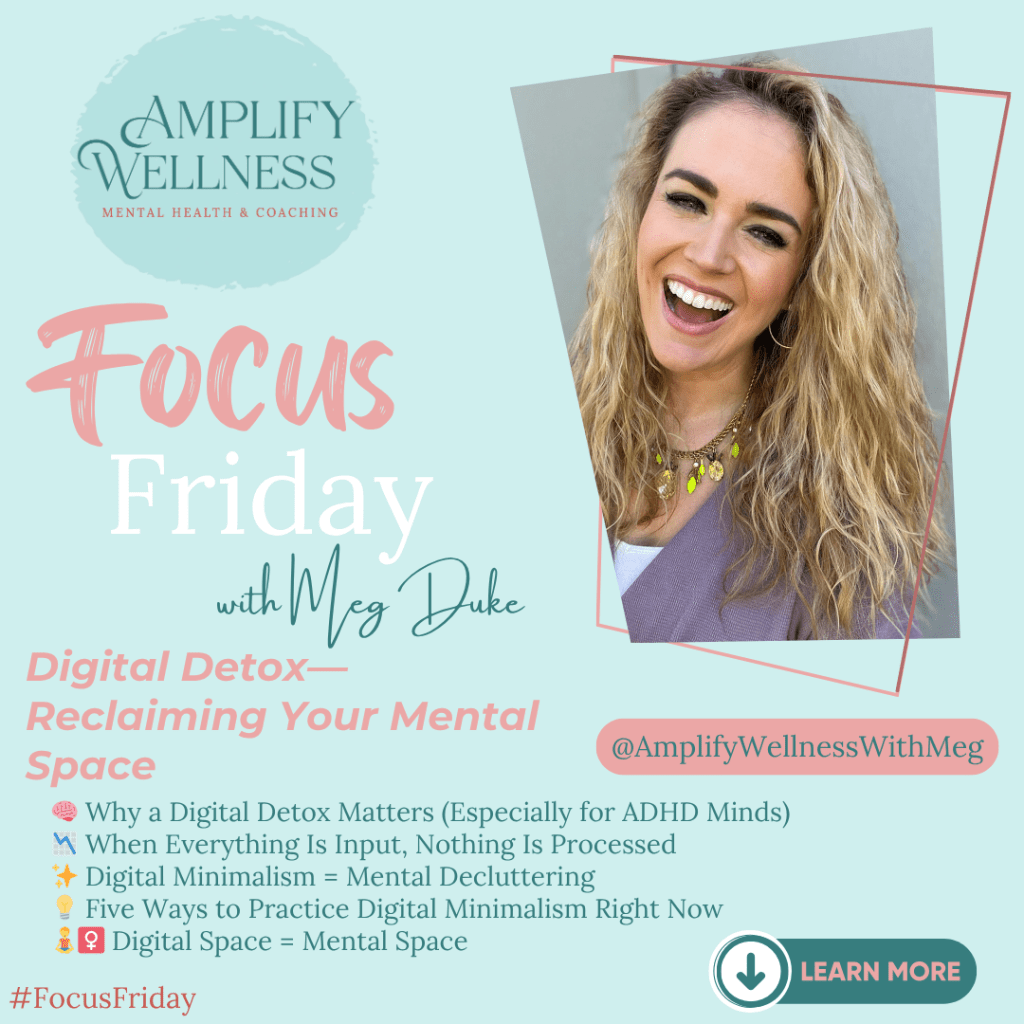
Focus Friday: Digital Detox — Clearing Mental Clutter in a Tech-Heavy World

We carry our phones everywhere. We check email while waiting in line. We scroll social media in bed. And we refresh the news again. And again. And again.

For many—especially those with ADHD or other forms of neurodivergence—this kind of constant digital input can leave the brain overwhelmed and unfocused. What might seem like simple checking-in behaviors can actually clutter our mental real estate and diminish our ability to rest, reflect, or focus on what actually matters.

Welcome to digital overload. The antidote? Digital minimalism.


🧠 Why a Digital Detox Matters (Especially for ADHD Minds)

Neurodivergent brains are often drawn to stimulation, novelty, and the dopamine hits that come from new information, funny videos, and never-ending scrolls. But the dopamine cycle quickly becomes a trap. It can leave us feeling more scattered than satisfied, chasing focus we can’t quite catch.

Digital detoxing and embracing digital minimalism aren’t about quitting tech entirely—it’s about using it more intentionally.

📉 When Everything Is Input, Nothing Is Processed

When our minds are constantly taking in new information—TikToks, news alerts, group chats, emails—we leave little space for integration. We struggle to:

  • Finish tasks
  • Hear our own thoughts
  • Notice how we’re feeling
  • Sit in stillness
  • Be present with loved ones

And ironically, when we can’t focus, we often go back to our screens looking for relief…which just continues the cycle.


✨ Digital Minimalism = Mental Decluttering

Digital minimalism is a mindset and a practice. It’s asking:

  • “What am I looking for when I pick up my phone?”
  • “Do I leave social media feeling better or worse?”
  • “What would I rather be doing with this time or energy?”

Even small shifts can restore peace and productivity.


💡 Five Ways to Practice Digital Minimalism Right Now

  1. Create tech-free transitions
    Start and end your day without a screen. Try a book, meditation, stretching, or music instead.
  2. Audit your digital diet
    Unfollow, mute, and unsubscribe from accounts and newsletters that drain or distract you.
  3. Use app blockers or grayscale
    Make it just a little harder to scroll unconsciously. That pause gives you power.
  4. Designate “check-in” times
    Instead of checking notifications constantly, decide when you’ll respond to messages or scroll (e.g., lunch break, 7–7:30pm).
  5. Replace with analog joy
    Bring back what screens crowded out. Journaling, crafts, puzzles, actual phone calls, real-life connections.

🧘‍♀️ Digital Space = Mental Space

Imagine what your mind could do with just a little less noise.

Imagine more calm. More clarity. More creative energy.

Digital detox doesn’t mean no tech. It means tech on your terms.


📥 Bonus Resource!

If you’re looking to build better attention habits, snag my FREE Navigating ADHD Mini Workbook!
It’s full of practical tools and mindset shifts—no overwhelm, no shame. Just real talk and doable steps.

Let’s clear the clutter and make space for what matters. 🌱
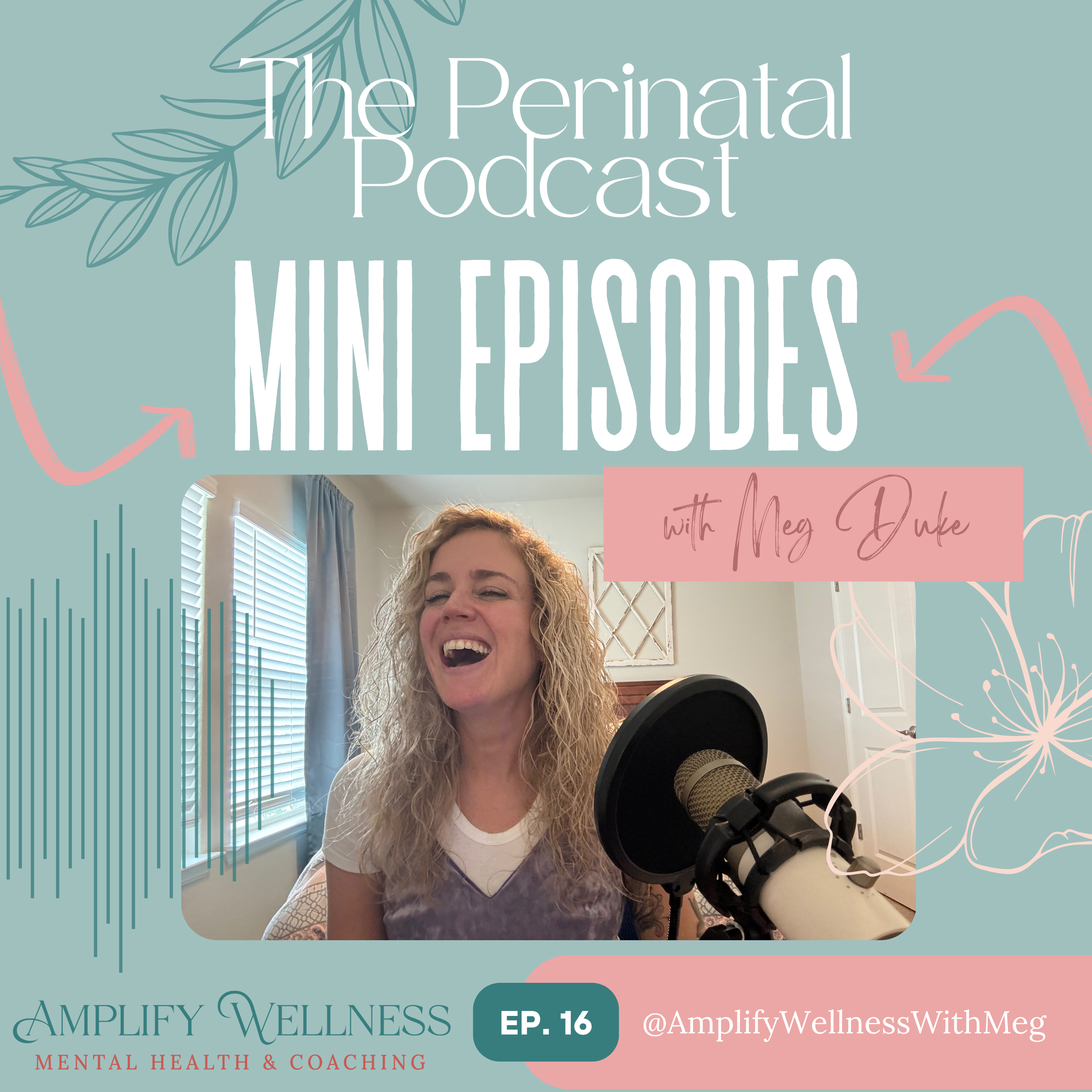
The Perinatal Podcast Ep. 108 – From Perinatal to Perimenopause

Welcome to Season 8 of The Perinatal Podcast!

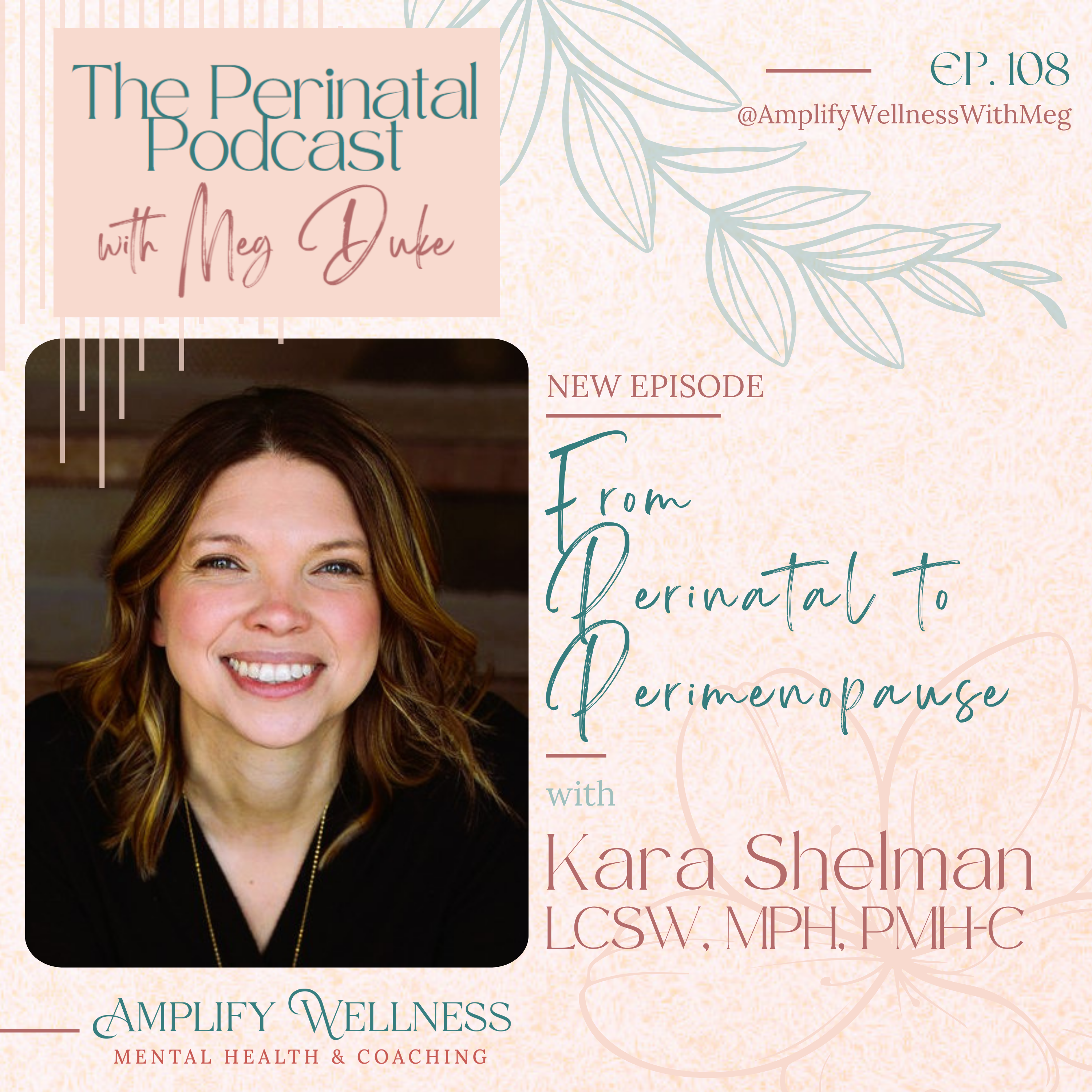
Today’s episode is a powerful conversation that bridges two often-overlooked chapters in a woman’s life: the postpartum period and the transition into perimenopause. I’m joined by Kara Shelman of Centimano Counseling, a fellow therapist and fierce advocate for mental health across the reproductive lifespan. Together, we explore what it means to move from the tender chaos of early motherhood into the surprising, often confusing landscape of perimenopause.

We talk about how few people are talking about this shift, how validating it is to realize that the brain fog, mood swings, and physical changes aren’t just “in your head”—and how liberating it can feel to finally name what’s happening in your body and mind. Whether you’re in this phase now, approaching it, or supporting someone who is, this episode is a must-listen.

Welcome back to The Perinatal Podcast!

Find Kara!
Instagram: https://www.instagram.com/kara_shelman/

Centimano Instagram: https://www.instagram.com/centimano_counseling/

Website: https://www.centimano.com/kara-shelman

Mentioned in this show: https://podcasts.apple.com/us/podcast/070-the-julia-roberts-of-greater-kansas-city/id1590957531?i=1000621565779


📥 Bonus Resource!

If you’re looking to build better attention habits, snag my FREE Navigating ADHD Mini Workbook!
It’s full of practical tools and mindset shifts—no overwhelm, no shame. Just real talk and doable steps.

Let’s clear the clutter and make space for what matters. 🌱
Get your FREE Navigating ADHD Mini Workbook Here!
https://lnkd.in/gQ59rnaK

Thank you to today’s show sponsors!
@momandaofficial Promo Code: PERINATAL
@essenther.official Promo Code: AMPLIFYWELLNESSWITHMEG
@needed Promo Code: PERINATALPODCAST
@choosemuse Promo Code: AMPLIFY WELLNESS

Thanks so much for joining me for this episode of The Perinatal Podcast – The Mini Episodes. I’d love for you to write a review of my show on your app, and don’t forget to subscribe so you get a notification when new content is posted. Take a moment to leave a 5-star rating, too!

You can access additional mental wellness content and ad-free episodes by purchasing a monthly subscription at Spotify Podcasts Subscribe or ⁠Apple Podcasts Subscribe⁠.

Follow me at @AmplifyWellnessWithMeg on Instagram and find Meg Duke LCSW on Facebook. You can also look for The Perinatal Podcast content by searching the hashtag, #ThePerinatalPodcast.

Focus Friday: Breaking the Cycle of Emotional Labor and Burnout

It’s Mental Health Awareness Month — a time when we shine a spotlight on the realities of what it means to protect and prioritize our minds, especially in a world that often demands more than we can give. One topic making headlines this week? A recent study shows younger women, especially Gen Z and millennials, are facing record-high levels of daily stress compared to previous generations. And if you’re neurodivergent, this stress can feel like a tidal wave. 🌊

🧠 Why the Stress Feels So Heavy

Much of this stress isn’t just about what’s on our to-do lists — it’s about the invisible weight we carry daily: emotional labor. This can look like remembering everyone’s birthdays, smoothing over workplace conflicts, over-explaining your ADHD to managers or family, or being the “default” parent who just knows where the missing soccer cleats are. Sound familiar?

Emotional labor is often unpaid, unrecognized, and disproportionately placed on women and neurodivergent folks — those of us already spending extra energy navigating a world built for neurotypical brains.

🔥 Burnout vs. Procrastination — Know the Difference

You might ask yourself, “Am I just being lazy or putting things off again?” But hold up: procrastination is not the same as burnout. Here’s the difference:

  • Procrastination is avoidance. You can do the thing, but you’re delaying.
  • Burnout is depletion. You can’t do the thing — your body and brain literally don’t have the energy reserves left.

If you’ve noticed your focus slipping, motivation bottoming out, and your usual routines becoming unsustainable, it might not be an “attention” issue — it might be a burnout issue. And that deserves compassion, not self-judgment.

🔍 For Neurodivergent Folks, It’s Complicated

Masking, people-pleasing, being the “helpful” one, or hyper-achieving to compensate for focus or executive function challenges — it all adds up. And when you’re constantly adapting to environments not designed for you, burnout is never far behind.

You are not “too sensitive.” You are not “making it harder than it needs to be.” You are likely operating on hard mode every single day. 🎮

💡 How to Start Shifting the Cycle

  • Name the Invisible Labor: Make a list of all the things you carry mentally and emotionally — and notice which of those things you’re expected to do silently.
  • Say the Quiet Part Out Loud: Whether at work or home, name what’s happening. Use language like “I’m noticing I’m experiencing decision fatigue” or “I’ve hit a point of emotional burnout.”
  • Find Low-Lift Solutions: That might be communicating your needs to a team, reducing your availability temporarily, or asking your partner to take over the birthday party RSVPs. Small changes ➡️ big impact.
  • Give Yourself Permission to Not Hustle: You don’t have to earn rest. You don’t have to justify it. It’s a need, not a reward. 🧸

💚 Mental Health Awareness Should Be All Year

Our mental health isn’t something to focus on just in May — it’s something we must protect all year. And the truth is, the systems many of us are operating in (corporate, parenting, education) weren’t built with neurodiversity or equitable labor in mind.

But the more we name what’s happening, normalize rest, and push for meaningful change, the more space we make for a world that works for everyone.


💥 P.S. If you’re looking for a starting place to help understand your ADHD brain and build more sustainable habits, download my free mini workbook: Navigating ADHD. It’s full of prompts, planning tips, and support strategies that actually honor how your brain works.

Grab it here — it’s free and full of gold! 🌟

New Episode! The Mini Episodes – Ep. 13

Welcome to the Mini Episodes!

I’ve received so many wonderful comments and stories from you all over the years, and I think it’s time to share them on the show! It’s incredibly validating to hear from others and realize we’re not alone on our mental health journeys. Plus, your insights and tips for making improvements in your lives are truly inspiring.

If you’d like to share your story, send your email to me at Meg@MegDukeLCSW.com. And if you’re feeling up for it, you can even send a voice memo!

Welcome back to The Perinatal Podcast – The Mini Episodes!

Get your FREE Navigating ADHD Mini Workbook Here!
https://lnkd.in/gQ59rnaK

Thank you to today’s show sponsors!
@momandaofficial Promo Code: PERINATAL
@essenther.official Promo Code: AMPLIFYWELLNESSWITHMEG
@needed Promo Code: PERINATALPODCAST
@choosemuse Promo Code: AMPLIFY WELLNESS

Thanks so much for joining me for this episode of The Perinatal Podcast – The Mini Episodes. I’d love for you to write a review of my show on your app, and don’t forget to subscribe so you get a notification when new content is posted. Take a moment to leave a 5-star rating, too!

You can access additional mental wellness content and ad-free episodes by purchasing a monthly subscription at ⁠https://podcasters.spotify.com/pod/show/theperinatalpodcast/subscribe⁠ or ⁠https://podcasts.apple.com/us/podcast/the-perinatal-podcast/id1590957531⁠.

Follow me at @AmplifyWellnessWithMeg on Instagram and find Meg Duke LCSW on Facebook. You can also look for The Perinatal Podcast content by searching the hashtag, #ThePerinatalPodcast.